Painting a Rental Property Between Tenants
The gap between tenants is the best time to paint a rental property. The rooms are empty, nobody has to live around the work, and fresh walls help the place photograph well for the next listing. The key is to plan it early, record the condition first, and choose finishes that are easy to keep clean and touch up.
Why paint between tenancies
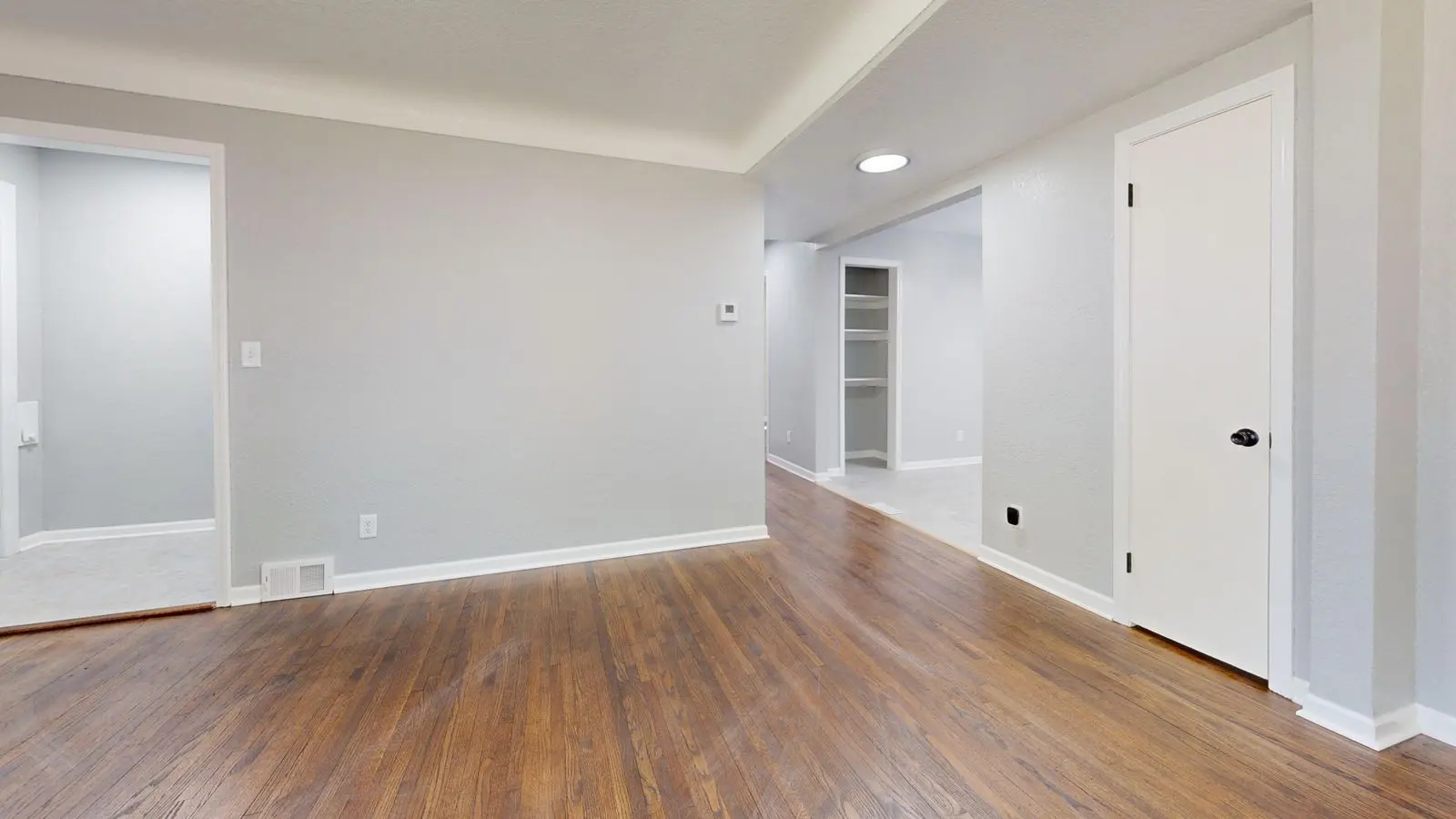
An empty property is simply easier to paint. There is no furniture to move or cover and no household routine to work around, so walls, ceilings, doors and trims can be prepared and painted in one continuous run. Clean, even walls also make rooms look brighter in listing photos and at open inspections.
Fair wear and tear, or damage?
Before deciding what to paint, it helps to know who is responsible for what. NSW Fair Trading explains that tenants are not responsible for fair wear and tear – the normal decline that comes with everyday living. Its examples include faded, chipped or cracked paint, and paint worn off a wall near a light switch.
Damage is different. Fair Trading gives examples such as an unapproved, poor-quality paint job, or paint pulled off by posters stuck up with adhesive putty or sticky tape. A tenant is responsible for damage they cause or allow.
In practice, most repainting between tenancies is ordinary maintenance for the owner. Where you believe there is damage, talk to your property manager before any work starts, because painting over it removes the evidence. If you are unsure how the rules apply to your situation, contact NSW Fair Trading.
Record the condition before anyone paints
The condition report is the record of how the property looked at the start of a tenancy, and it is filled in again when the tenant moves out. NSW Fair Trading notes that more detail, including time-stamped photos, makes disputes less likely at the end of a tenancy.
So the order matters: the outgoing inspection first, then the painting, then a fresh condition report for the incoming tenant.
What to paint, and what to leave
Not every room needs a full repaint every time. A walk-through usually sorts the property into three groups:
- Touch-ups. Small marks and patches in otherwise sound paint, where the original colour and sheen can still be matched.
- Full rooms. Walls that are scuffed, faded or patched in several places look better repainted wall to wall, because patches in a tired finish tend to show.
- High-traffic areas. Hallways, door frames, skirting boards and the walls beside light switches usually wear first.
Kitchens and bathrooms deserve a closer look. Peeling or spotted paint around a shower or rangehood often points to a moisture problem. Our guide to bathroom mould after painting explains why mould comes back if the cause isn’t fixed first.
Colours and finishes that suit a rental
A rental needs paint that looks good to a wide range of people and is easy to maintain.
- Neutral colours. Soft whites, warm greys and light neutrals appeal to most tenants and suit most furniture.
- Washable finishes. A low-sheen wall finish usually wipes clean better than flat paint. Wet areas and trims usually suit a semi-gloss. Our paint sheen guide explains the options room by room.
- Keep a record. Write down the brand, colour name and sheen for each room, and keep any leftover paint in a cool, dry place. It makes the next touch-up much easier to match.
Low-VOC paints are worth asking about too. VOCs (volatile organic compounds) are the solvents behind the fresh-paint smell.
Older rentals: lead paint and asbestos
Many Sydney rentals are older homes and units, and two hidden risks need checking before any sanding or scraping.
Lead paint. The NSW Government’s LeadSmart program says lead paint was used in most homes built in Australia before 1970. It recommends a professional trained in safe lead paint work practices, and says wet sanding and wet scraping are the safest preparation methods.
Asbestos. SafeWork NSW notes that homes built before the late 1980s may contain asbestos, which was commonly used in walls, ceilings, kitchens and bathrooms. If you think a material is asbestos, treat it as if it is: do not sand, drill or pressure-wash it yourself, and call a licensed asbestos professional to assess it.
How a between-tenancy repaint works
- Plan early. Once you know the vacate date, book a site walk so the work fits around the outgoing inspection and the next listing.
- Outgoing inspection. The property manager completes the condition report and photos before any painting starts.
- Site walk and quote. We look at each room, note repairs and older-home risks, and give a written, itemised quote.
- Protection. Floors, benchtops, fixtures and fittings are covered and masked.
- Preparation. Holes and dents are filled, cracks repaired, surfaces sanded and cleaned, and any stains sealed so they don’t bleed through.
- Painting. Ceilings, then walls, then doors and trims, using the agreed colours and finishes.
- Clean-up and handover. We clean up and walk through the finished rooms with you or your property manager, ready for new photos.
Working with property managers
Many landlords leave the details to their agent. We can arrange keys and access directly with your property manager and keep them updated as the job runs. Our property managers page explains how we work with agencies. For units and townhouses, check with your strata manager before planning any work on balconies, doors or other common property.
What affects the quote
- Scope. Touch-ups, a few rooms, or the whole interior.
- Condition. How much patching, crack repair and stain sealing the walls need.
- Colour change. Going from a dark colour to a light one usually needs more coats.
- Older-home checks. Lead paint and suspected asbestos call for testing and safe work methods.
Every property is different, so we give a written, itemised quote after a site walk.
How PaintX can help
Our residential painting team paints houses, units and townhouses right across Sydney, for owner-occupiers, landlords and the agencies that manage their properties. We hold NSW contractor licence 393679C and carry $20 million public liability insurance, and we use low-VOC paints wherever the job allows. Once a quote is approved, our colour consultancy can help you settle on colours that suit the property.
Ready for a written quote?
Call 0423 533 883, or tell us about the job and we will reply within one business day. We give a written, itemised quote after a site walk, and our work comes with a five-year workmanship guarantee.
Sources: NSW Fair Trading – Fair wear and tear versus damage in rental properties · NSW Fair Trading – Rental property condition reports · NSW Government LeadSmart – Renovating and maintenance · SafeWork NSW – Finding, identifying and recording asbestos
frequently asked questions
Can I charge the tenant for repainting?
Generally not for fair wear and tear. NSW Fair Trading lists faded, chipped or cracked paint as fair wear and tear, which tenants are not responsible for. Damage the tenant caused, such as an unapproved paint job or paint pulled off by sticky tape, is different. Talk to your property manager, or contact NSW Fair Trading if you are unsure.
Should I paint the whole rental or just touch up?
If the paint is sound and you can match the colour and sheen, touch-ups may be enough. If walls are faded, scuffed or patched in several places, repainting full walls usually gives a more even result. We will point out which rooms need what on the site walk.
What paint finish is best for a rental property?
A washable low-sheen finish on walls is a common choice because it wipes clean, with semi-gloss on doors, trims and wet areas. Check the product’s data sheet for its washability and recommended uses, and keep a record of every colour and sheen for future touch-ups.
get a quote
tell us about the job.
We paint homes, strata and commercial properties, inside and out, and we also handle mould removal.
Two minutes now, a proper answer within one business day — from a person, not a call centre.
- 1we come back to youwithin one business day, with the questions a quote needs
- 2site walkwe measure, check the surfaces and test the existing paint
- 3written, itemised quoteroom by room, product by name — the price on the quote is the price on the invoice