Home Renovators
Painting is the last trade on site and inherits every delay ahead of it. We programme for that rather than pretending it won't happen.
the problem
You’ve invested time, money, and effort into your renovation, but without the right paint job, your space can feel unfinished—like an outfit missing the final touch. Worse, delays in painting can throw off your entire schedule, pushing back flooring, furniture setup, and even your move-in date.
the ideal outcome
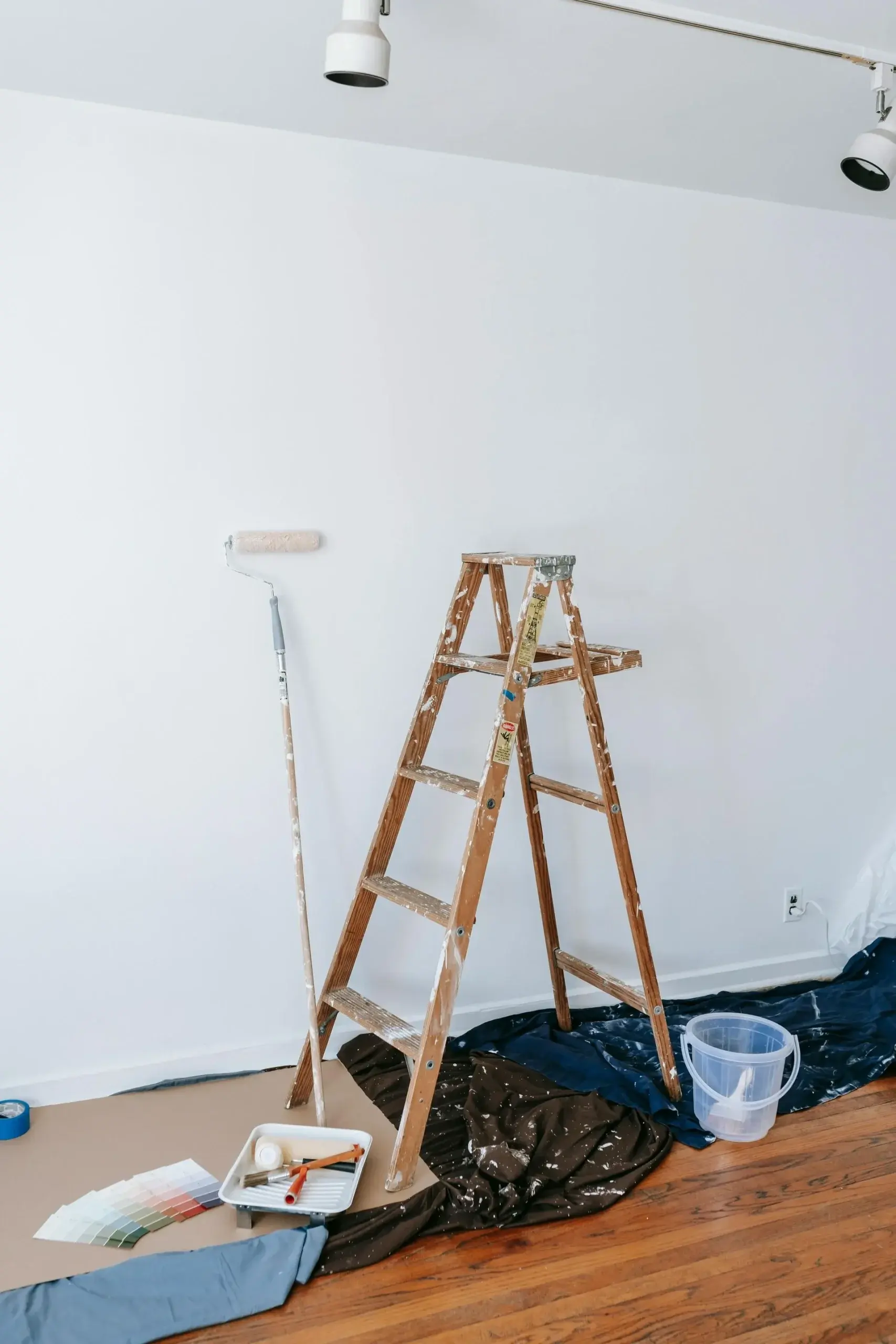
Imagine walking into a perfectly finished space—flawless walls, seamless colour transitions, and a professional finish that enhances every detail of your renovation. No missed deadlines, no stress, just a stunning, move-in-ready home or office that truly reflects your style.

how PaintX delivers
At PaintX Australia, we make sure your painting project is smooth, efficient and easy to live with. Our expert team works with precision and reliability to deliver a high-quality finish, on time, every time.
- Punctual & Efficient – No delays, just a seamless process that keeps your renovation on track.
- Attention to Detail – From surface prep to final strokes, we get it right.
- Trusted by Homeowners – Clients return to us and recommend us to family and friends.
With expert colour consultation and a customer-first approach, we take the hassle out of painting—so you can enjoy the results without the stress.
Let’s bring your vision to life! Book your quote today.
the last trade on site
By the time the painter arrives, the job is late, the budget is tight and the client has been living in a building site for months. The painting gets compressed, and compressed painting is where a beautiful renovation starts to look ordinary — one coat instead of two, filling that wasn’t sanded, trim rushed on the last afternoon.
We quote the time the job actually takes and we tell you what drops out if the programme compresses, so it’s your decision rather than a quiet reduction in quality.
new substrates need different treatment
New plasterboard, new render and new timber all behave differently from a repaint. Fresh plasterboard needs a sealer that stops the joints flashing through. New render needs time to cure and an alkali-resistant primer. New timber needs a primer that’ll hold on resinous knots.
Getting the primer wrong on new work produces problems that are invisible for months and then very visible — joint flashing, patchy sheen, or tannin bleeding through a white architrave.
joining old to new
Half of renovation painting is making an extension look like it was always there. That means matching the existing colour accurately, working out where a colour change can honestly stop — at an internal corner, never mid-wall — and deciding whether the old section needs repainting for the new one to look right.
We’ll tell you when the honest answer is that painting only the new part will look wrong, even though it’s the cheaper quote.
how the job runs
- 01Programme reviewWe look at where painting sits in your build programme and what is realistic.
- 02Scope for new and existingNew substrates and existing areas scoped separately, because they need different systems.
- 03Colour matchingExisting colours matched and transition points agreed before we start.
- 04Substrate-specific primingSealer on new plasterboard, alkali-resistant primer on new render, knot-blocking primer on new timber.
- 05PreparationFull fill, sand and dust-off. New work gets the same preparation as old, not less.
- 06Two topcoatsAs standard. If the programme can’t fit them, we tell you before you commit, not after.
- 07Coordination with other tradesSequenced around the fit-off so we aren’t painting around an electrician.
- 08Final touch-upsAfter the other trades finish, because they will mark it.
what is included, and what isn’t
included as standard
- Review of where painting sits in your build programme
- Separate scoping for new substrates and existing areas
- Colour matching to existing paintwork
- Agreed colour transition points
- Sealer on new plasterboard to prevent joint flashing
- Alkali-resistant primer on new render
- Knot-blocking primer on new timber
- Full fill, sand and dust-off on new work
- Two full topcoats as standard
- A returning touch-up visit after the other trades finish
- Five-year workmanship guarantee in writing
not included
Quoted separately if your job needs it, so nothing arrives as a surprise variation.
- Plastering, cornice and patching by others
- Rectifying other trades’ damage beyond an agreed touch-up allowance
- Standing time caused by programme delays outside our control, unless agreed
- Wallpaper, feature finishes and joinery spraying unless quoted
why you can believe any of this
frequently asked questions
When should the painter come in?
After the plastering, cornices and fit-off are complete and before the flooring and final fit-off, with a return visit for touch-ups afterwards. We’ll map it against your programme.
Can you match the paint in the existing part of the house?
Usually, from a clean sample. Be aware that an aged colour never matches its original code exactly, which is sometimes a reason to repaint the adjoining area too.
Do new walls need special preparation?
Yes. New plasterboard needs a sealer or the joints flash through the topcoat. New render needs to cure and needs an alkali-resistant primer. New timber needs a knot-blocking primer.
What if the build runs late?
It usually does. Tell us as early as you can and we’ll re-slot you. What we won’t do is compress a two-coat job into one and call it finished.
Should I paint just the new section?
Sometimes it works, if the colour change lands at an internal corner. Often it doesn’t, and we’ll tell you honestly even though it’s the smaller job.
Do you come back after the other trades?
Yes. A touch-up visit after the fit-off is part of how we quote renovation work, because the last trades through will mark it.
Can you work alongside our builder?
Yes. Give us the builder’s contact and we’ll sequence directly rather than through you.
How long does painting a renovation take?
A new extension interior is typically three to seven days. A full renovation is usually one to three weeks depending on size and how much of the existing house is included.
get a quote
tell us about the job.
Two minutes now, a proper answer within one business day — from a person, not a call centre.
- 1we come back to youwithin one business day, with the questions a quote needs
- 2site walkwe measure, check the surfaces and test the existing paint
- 3written, itemised quoteroom by room, product by name — the price on the quote is the price on the invoice