Mould Removal
Painting over mould hides it for about six weeks. Treating it properly means killing the growth, finding the moisture and then coating with something designed to resist it coming back.
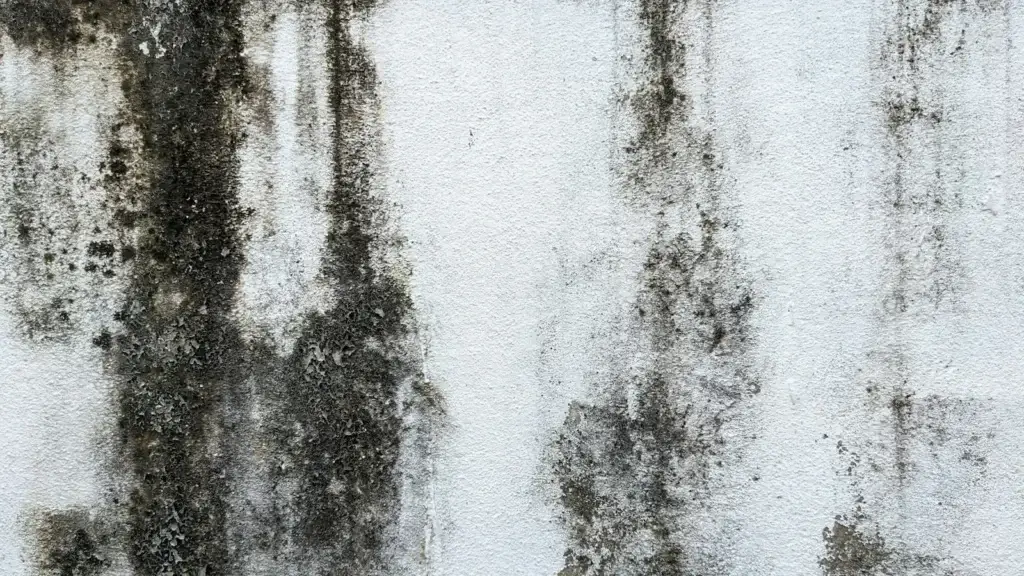
mould is a moisture problem wearing a paint costume
Mould grows where there’s moisture and still air. In Sydney homes that’s usually a bathroom with a fan that vents into the roof cavity instead of outside, a south-facing bedroom wall behind furniture, a wardrobe on an external wall, or a room that gets wet from a leak nobody has traced yet.
We’ll treat and coat the surface, and we’ll also tell you which of those you have, because a beautiful mould-resistant coating on a wall that’s still getting wet will lose. Ventilation, a rangehood that actually vents outside, and fixing the leak are usually cheaper than repainting twice.
how we actually treat it
Bleach is the household answer and it’s the wrong one on porous surfaces — it takes the colour out of the stain and leaves the growth in the substrate, which is why it comes back looking worse. We use a proper fungicidal wash, worked into the surface and given the contact time the product requires.
Where the growth has gone into plasterboard or into the paint film itself, treatment isn’t enough and the affected material has to come out. We’ll tell you if that’s where we are, and we’ll not pretend a wash fixed something it didn’t.
coating so it doesn't come back
After treatment we seal with a stain-blocking primer so the old stain doesn’t ghost through, then coat with a system containing a mould inhibitor, specified for the room. Bathrooms and laundries want a moisture-resistant low-sheen or semi-gloss, not a flat ceiling paint.
It isn’t a permanent immunity — nothing is, if the moisture stays. It’s a coating that resists rather than feeds the growth, which buys years instead of months.
what decides the price and the timing
Best suited to bathrooms, laundries, ceilings and rooms where mould keeps coming back, in homes and rental properties.
the price depends on
- How much area is affected
- The cause: ventilation, condensation or a leak (a leak needs fixing by the right trade first)
- Damage underneath: plaster, sealant and paint that has lost adhesion
- The treatment and the mould-resistant coating system
- Whether silicone and sealant need replacing
the timing depends on
- Finding the moisture source and fixing it first
- Drying time after treatment
- Cure time for the coating before the room is used normally
That is why every quote is written and itemised after a site walk, never a number over the phone. Ask for a quote or call 0423 533 883.
how the job runs
- 01Inspect and find the sourceThe affected surfaces, and the moisture path that’s causing them, identified and reported.
- 02ContainThe work area protected and contained so spores aren’t spread through the rest of the house.
- 03Fungicidal treatmentA proper mould wash, applied with the contact time the product requires, not wiped on and off.
- 04Remove what can't be savedWhere growth has penetrated plasterboard or the paint film, the affected material is cut out.
- 05DryThe surface dried properly before anything is applied. Coating a damp wall guarantees the problem returns.
- 06Stain-block primeA sealing primer so the stain doesn’t ghost back through the new paint.
- 07Mould-resistant coatingTwo coats of a system with a mould inhibitor, specified for the room and its moisture load.
- 08Ventilation adviceWritten, specific, and part of the job. Usually the difference between fixing it and repeating it.
what is included, and what isn’t
included as standard
- Inspection of affected areas and identification of the moisture source
- Containment and protection of adjoining rooms
- Fungicidal wash with correct dwell time
- Removal of affected plasterboard where growth has penetrated, as scoped
- Drying time built into the programme
- Stain-blocking primer
- Two coats of a mould-inhibiting system
- Written ventilation and moisture-control advice
- Full clean-down and waste removal
- Five-year workmanship guarantee on the coating
not included
Quoted separately if your job needs it, so nothing arrives as a surprise variation.
- Plumbing and roof leak repair — identified, not fixed by us
- Installation of exhaust fans and ducting
- Waterproofing and shower re-sealing
- Laboratory air testing and formal occupational hygiene assessment
- Structural drying of a flood-affected property
- Rising damp remediation
why you can believe any of this
frequently asked questions
Can you just paint over mould?
No, and anyone who offers to is selling you a repaint in six weeks. The growth is living in the surface; it has to be killed and the surface sealed before any coating goes on.
Does bleach work?
On non-porous surfaces like tile and glass, reasonably. On plaster, render or timber it removes the colour from the stain and leaves the growth, which is why it reappears darker.
Will it come back?
If the moisture source is still there, eventually yes — with any product from any contractor. That’s why we identify the source and give you the ventilation advice in writing, whether or not you use us for the painting.
Is mould in the house dangerous?
It can affect comfort and indoor air quality and some people react to it more than others. If you have health concerns, that’s a question for your doctor rather than for a painter — our job is to remove it from the surfaces and stop it feeding.
How long does treatment take?
A single room is typically two to three days including proper drying time, which can’t be rushed. Larger or penetrated areas take longer because material has to come out and go back.
What if the mould is behind the plasterboard?
Then a surface treatment won’t fix it, and we’ll tell you. The affected material has to be cut out, the cavity dried, and the section made good before it’s recoated.
Do you fix the leak?
We find it and we tell you what it is. Roof and plumbing repairs belong to those trades, and we’d rather you got the right one than we improvised.
What paint stops mould?
Systems containing a mould inhibitor, over a sealing primer, on a surface that has been properly treated and dried. The paint is the last part of the answer, not the whole of it.
get a quote
tell us about the job.
Two minutes now, a proper answer within one business day — from a person, not a call centre.
- 1we come back to youwithin one business day, with the questions a quote needs
- 2site walkwe measure, check the surfaces and test the existing paint
- 3written, itemised quoteroom by room, product by name — the price on the quote is the price on the invoice