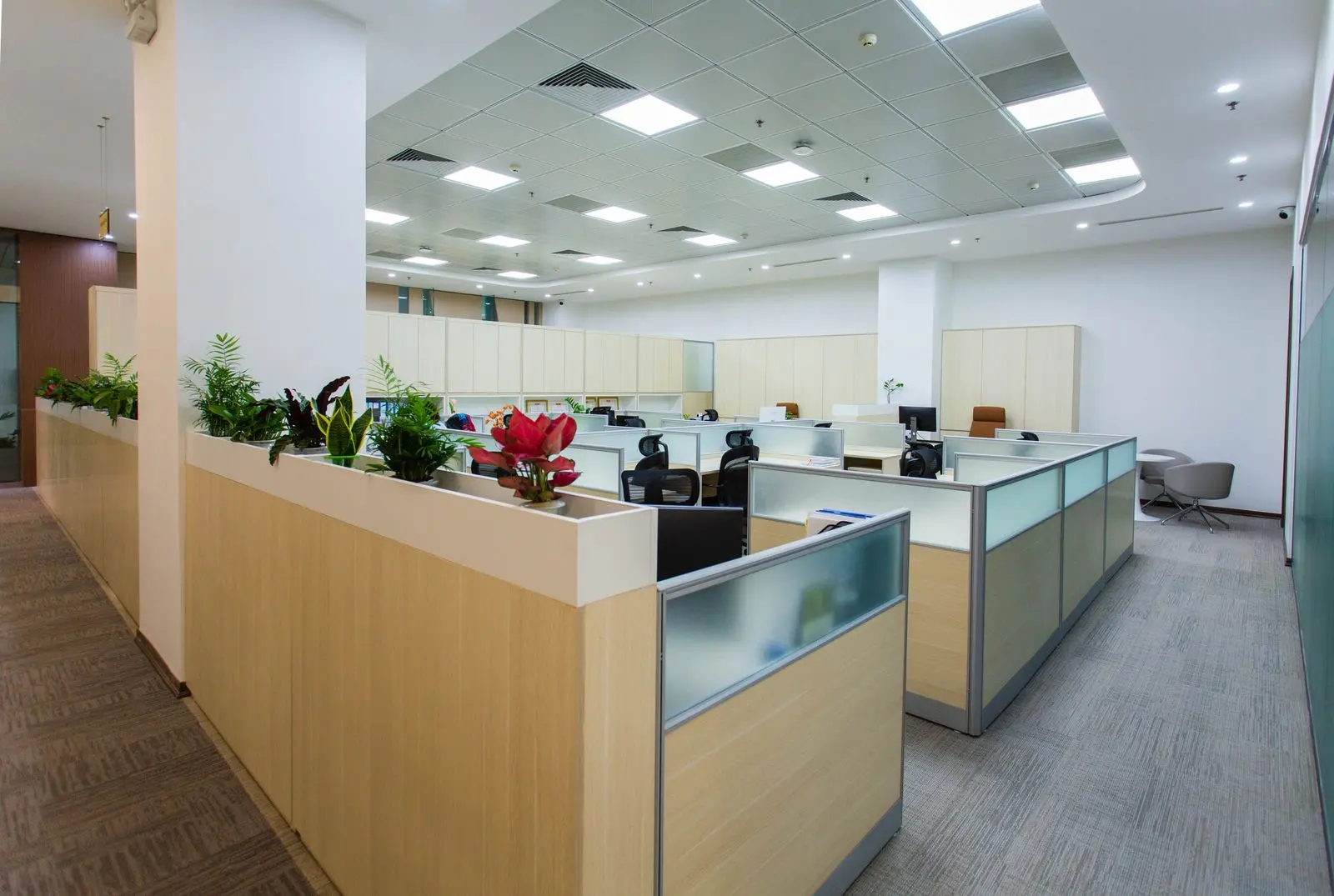
Commercial Painting After Hours: How to Repaint Without Closing
Most businesses can be repainted without closing their doors. The work is planned around your trading hours instead: done overnight or on weekends, staged one zone at a time while the rest of the premises keeps running, or timed for a quiet period you already have. The right mix depends on how your space is used, who is in it and when, and how much disruption you can live with. Here is how that planning works, and what to sort out before the first drop sheet goes down.
Your options for painting while you keep trading
There are four common approaches, and many commercial jobs use more than one of them.
- After-hours work. Painting happens once you close for the day, overnight or at weekends, and the space is cleaned and ready to trade by opening time. This suits shops, cafés, restaurants, gyms and medical rooms, where customers are on site all day.
- Staged work. The premises are split into zones, such as one floor, one wing or one group of offices at a time. Staff move out of each zone while it is painted and move back once it is dry. This suits offices and larger sites that never fully empty.
- Shutdown periods. If you already close for a holiday break or a stocktake, that window can carry the noisiest parts of the job, such as ceilings, high walls and anything that needs more drying time.
- Daytime work in low-traffic areas. Stairwells, plant rooms, back-of-house corridors and some exteriors can often be painted during the day with simple barriers and signage, which keeps after-hours work for the areas customers actually see.
What decides the right approach
No two commercial sites are the same, so the program is built from a few practical questions.
- When the space is occupied. Your trading hours, cleaning schedule and delivery times all set the windows we can work in.
- Odour and drying time. Freshly painted surfaces need time to dry before people, furniture and stock come back. Low-VOC paints (VOCs are volatile organic compounds, the solvents behind that strong “new paint” smell) make a big difference in spaces that reopen the next morning.
- How hard the surfaces work. Corridors, counters, door frames and amenities take knocks and constant cleaning, so they need a tougher, more washable finish than a meeting room wall. Our paint sheen guide explains how sheen level affects durability and cleaning.
- Building rules. Shopping centres, office towers and strata buildings often set their own work hours, induction steps and noise limits. Check with your centre or building manager early, because their approval can shape the whole program.
- Height and access. High ceilings, atriums and stairwells may need ladders, mobile scaffold or elevated work platforms, which affects how much can be done in a single night.
How after-hours and staged painting is planned
A clear plan agreed before work starts is what keeps a commercial repaint from spilling into trading time.
- Site walk. We look at the surfaces, their condition and how the space is used, and ask about your trading hours before anything else.
- Zones and sequence. The premises are divided into sections that can be finished, dried and handed back in one shift or one stage.
- Program sign-off. You see which areas will be painted on which nights or days, so staff and customers can be told in advance.
- Building approvals. Work-hour permits, inductions and any isolation of smoke detectors or fire systems are arranged through your building manager and their fire services contractor, never switched off on the day.
- Protection. Floors, furniture, stock and equipment are covered or moved, and any areas staying open are separated with barriers and signs.
- Painting and drying. Each zone is prepared, painted and given time to dry, with products chosen for the drying window available.
- Clean-up and handback. Each shift ends with the area cleaned, covers removed and furniture back in place, so you can open as normal.
- Final walk-through. Once every zone is done, we walk the site with you and fix anything that needs a touch-up.
Keeping staff and customers comfortable
Even when the painting happens after you close, the space has to feel normal when you reopen. Good ventilation, low-VOC products and careful cleaning do most of the work. It also helps to tell staff which areas are changing and when, keep a clear path to exits and amenities, and leave freshly painted doors and walls alone for the first day or so while the paint hardens.
If you share the building with other tenants, let them know too. In strata or multi-tenant buildings, common areas such as lobbies, lifts and car parks usually need owners corporation or building manager approval before any painting starts. Our article on how a strata building repaint works covers that process.
Older commercial buildings and asbestos
Preparation such as sanding, scraping and drilling can disturb hazardous materials in older buildings. SafeWork NSW says that if a workplace was built before 31 December 2003, or asbestos has been found there, the business must keep an asbestos register showing where it is and what condition it is in. Have that register ready for the site walk.
SafeWork NSW also warns that cutting, drilling or water blasting asbestos-containing products can release fibres, and recommends a licensed asbestos professional for its removal. If you suspect asbestos, don’t sand, drill or pressure-wash it yourself; have it checked first.
How we approach commercial painting
Every commercial painting job starts with a site walk and a written, itemised quote that sets out the program, whether that is after hours, staged or a mix. The cost depends on the size of the area, the condition of the surfaces and when the work has to happen, so we explain those factors rather than guess. We use low-VOC paints, carry $20 million public liability insurance and hold NSW contractor licence 393679C. We work right across Sydney, from the CBD to the Inner West and beyond.
Ready for a written quote?
Call 0423 533 883, or tell us about the job and we will reply within one business day. We give a written, itemised quote after a site walk, and our work comes with a five-year workmanship guarantee.
Sources: SafeWork NSW – What is asbestos and where to find it · SafeWork NSW – Asbestos
frequently asked questions
Can you paint our office without us closing?
Usually, yes. Most offices are painted in stages, one zone at a time, or after hours and on weekends, so the business keeps running. We work out the best mix with you on the site walk.
Will the paint smell still be there when we open the next morning?
Low-VOC paints and good ventilation keep odour to a minimum, and most spaces painted overnight are comfortable to work in the next day. Drying time still depends on the product, the temperature and humidity, so check the product’s data sheet or ask us on the site walk.
Do we need building management approval for after-hours painting?
Often, yes. Shopping centres, office towers and strata buildings commonly set their own work hours, inductions and rules for isolating smoke detectors. Check with your centre or building manager, and we will work within their requirements.
get a quote
tell us about the job.
Two minutes now, a proper answer within one business day — from a person, not a call centre.
- 1we come back to youwithin one business day, with the questions a quote needs
- 2site walkwe measure, check the surfaces and test the existing paint
- 3written, itemised quoteroom by room, product by name — the price on the quote is the price on the invoice