Lead Paint in Older Sydney Homes: What to Know Before You Renovate
If your home was built before 1970, there is a good chance there is lead paint somewhere under the current coat. Newer homes are not automatically in the clear either: the Australian Government’s Lead Alert guide notes that homes built more recently may also have paint containing lead. That is not a reason to panic, and it is not a reason to avoid painting. It is a reason to plan the preparation properly, because the risk comes from the dust and fumes created when old paint is disturbed, not from paint that is sitting quietly on a wall.
Which homes are likely to have lead paint
The NSW Government’s LeadSmart guidance says lead paint was used in most homes built in Australia before 1970. In Sydney, that covers a large share of the housing stock: Victorian and Federation terraces in the Inner West and Eastern Suburbs, inter-war bungalows across St George, and the period homes of the North Shore.
The lead is usually in the older, lower layers rather than the top coat. Window frames, doors, skirting boards, architraves and exterior timber are the usual places to find it, because those surfaces were often finished in oil-based paints. Lead dust can also build up over decades in roof spaces, wall cavities and under floorboards.
Why it matters
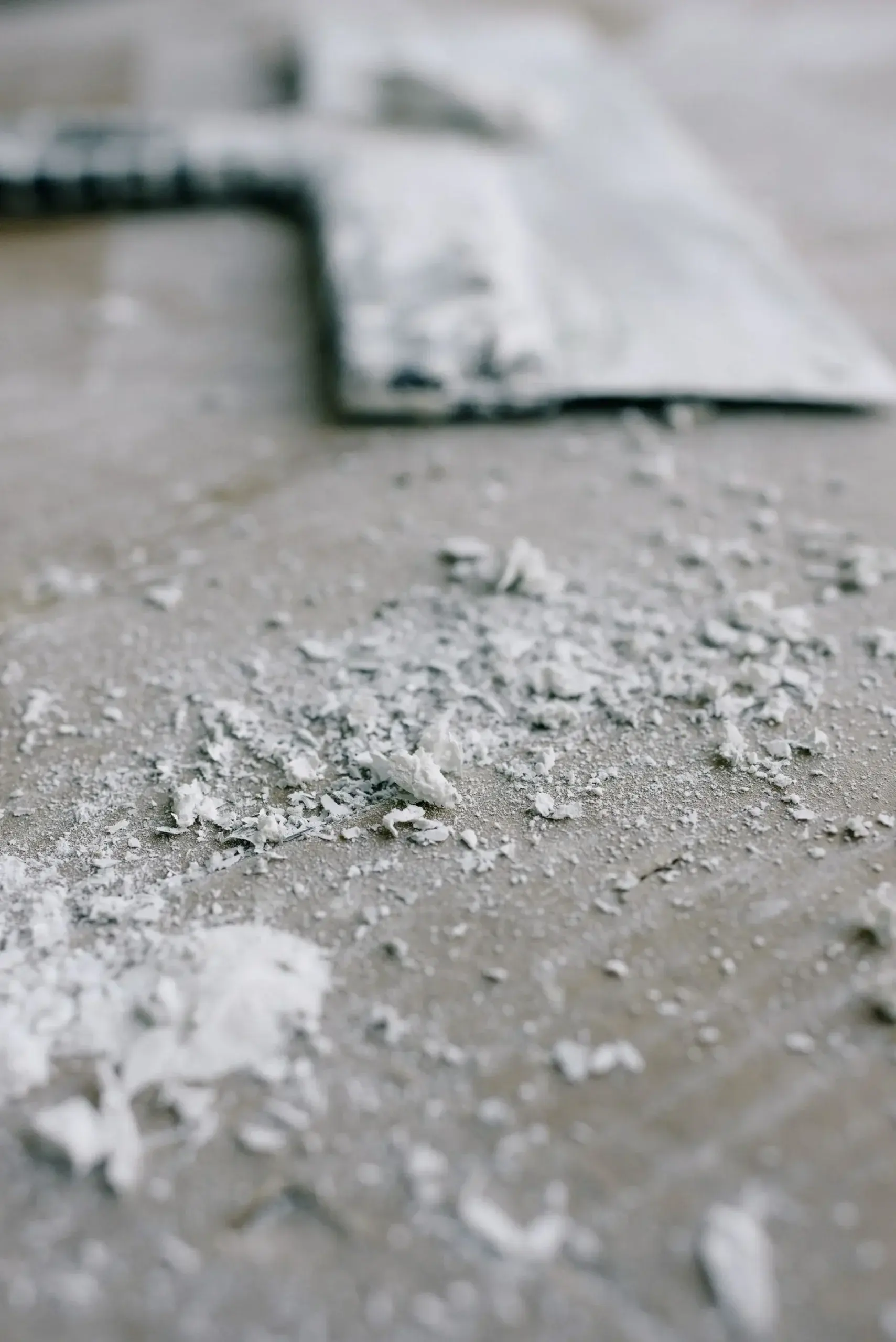
Lead is harmful when it is breathed in or swallowed. Paint in good condition is not the problem. The risk comes when it is sanded, scraped, burnt or blasted, because that turns it into fine dust and fumes that settle on floors, sills, toys and garden soil. LeadSmart singles out pregnant and breastfeeding women and young children as the people who should be kept away from the work.
Before you sand or scrape anything
If the existing paint is sound, the simplest and safest option is often to leave it where it is and paint over it. That is a fix rather than a cure, so keep an eye on it: if the new coat cracks or flakes later, the old layers are exposed again. Where paint is flaking, peeling or needs to come off, the method matters:
- Wet methods. LeadSmart recommends wet sanding and wet scraping as the safest ways to deal with old paint, because they keep dust down.
- No open flame. Burning paint off with a torch creates lead fumes. If a heat gun is used, it should be on its lowest setting (the Lead Alert guide puts the limit below 370°C) and kept moving.
- No dry power sanding or dry abrasive blasting. The Lead Alert guide says old paint should not be removed that way, because it throws lead-rich dust into the air.
- Proper masks. Paper dust masks do not fit well enough. LeadSmart points to respirators meeting AS/NZS 1716, with P1 or P2 filters.
If you are not sure whether a surface contains lead, treat it as though it does until it has been tested. A professional can test it before the job is scoped, so the preparation, and the quote, reflect what is actually there.
Setting up the work area
Containment is what keeps lead dust in the room it came from. That means sealing the area with plastic sheeting, closing off doorways and heating or cooling vents, and keeping young children, pregnant or breastfeeding family members and pets out of the home while old paint is being disturbed, until it has been cleaned. Outside, sheeting goes down to catch flakes before they reach garden beds and play areas.
Cleaning up properly
Most of the risk after the job comes from the clean-up, and it is where shortcuts are most common. LeadSmart’s guidance is specific:
- Do not sweep, and do not use a household vacuum. Use an industrial vacuum with a HEPA filter.
- Wet-wipe every hard surface, including sills and skirting boards, with a phosphate detergent, then rinse with clean water. Check the label: not every sugar soap contains phosphate.
- Dampen dust on plastic sheeting and fold it inwards before removing it.
- Seal waste in heavy-duty plastic and take it to the right part of your local waste facility. Never burn painted timber.
Outside the house
Exterior paint on older homes is often where the most lead sits, because timber weatherboards, eaves, window frames and fences were painted again and again over decades. Flakes that fall during scraping end up in garden beds and lawns, which is exactly where children play and vegetables grow. Ground sheeting under every wall being prepared catches them before they reach the soil, and it is cleaned up at the end of each day rather than left for the end of the job.
Neighbours matter too. Dust and flakes can drift over a side fence, so wind direction is part of planning which wall is prepared on which day. Gutters and downpipes can collect old flakes as well; they are worth checking before the repaint starts, not after.
Roof spaces are a separate issue. If you are renovating and the ceiling will be opened up, LeadSmart recommends using a specialist trained in removing roof-space dust with HEPA equipment, before other trades start work.
What this means for a repaint
For most older homes, lead paint changes how the preparation is done rather than whether the house can be painted. It is one of the things we look for on the site walk, and the written quote says how it will be handled, so you are not surprised halfway through. If you are planning work on an older home, our pages on interior painting and exterior painting explain how we prepare, and our page for home renovators covers fitting painting around a wider renovation.
Ready for a written quote?
Call 1300 153 163, or tell us about the job and a person will reply within one business day. Every quote is written and itemised after a site walk.
Sources: NSW Government LeadSmart: renovating and maintenance; Australian Government, Lead Alert: the six step guide to painting your home (5th edition)
frequently asked questions
How do I know if my house has lead paint?
If your home was built before 1970, assume some of the older paint layers may contain lead until a test shows otherwise. Windows, doors, skirting boards and exterior timber are the most likely places.
Can you paint over lead paint?
If the existing paint is sound and not flaking, painting over it is often the safest option, because it leaves the lead layers undisturbed. Flaking paint needs to be removed with wet methods first.
Is it safe to stay at home while old paint is removed?
The Lead Alert guide says pregnant or breastfeeding women, young children and pets should stay out of the home while old paint is being disturbed, and only come back once the clean-up is finished. The area should be sealed off and cleaned with a HEPA vacuum and wet wiping before anyone uses it again.
get a quote
tell us about the job.
Two minutes now, a proper answer within one business day — from a person, not a call centre.
- 1we come back to youwithin one business day, with the questions a quote needs
- 2site walkwe measure, check the surfaces and test the existing paint
- 3written, itemised quoteroom by room, product by name — the price on the quote is the price on the invoice