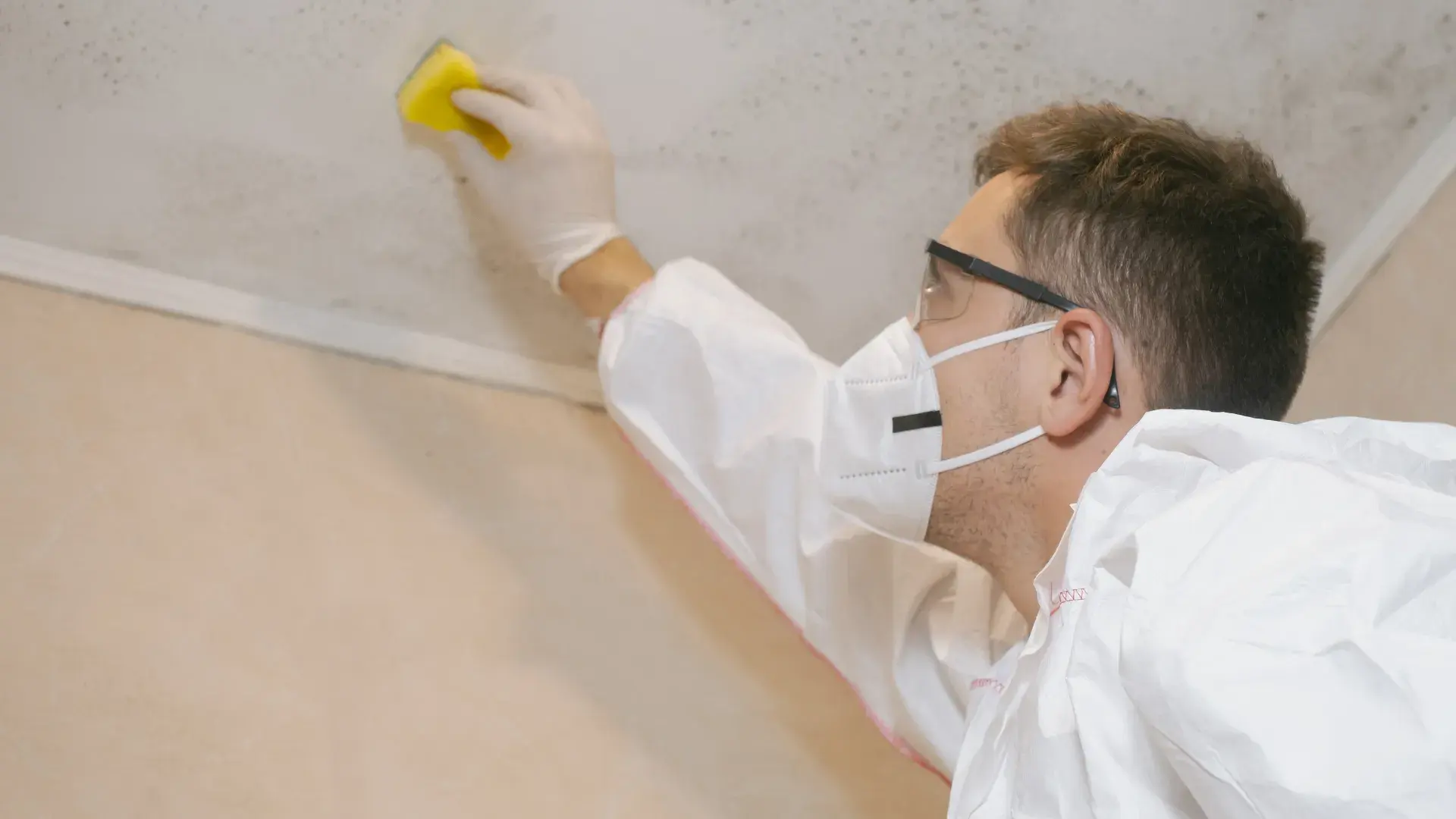
Mould Repair: The Importance of Addressing Mould Before Painting Your Property
Thinking of painting over mould? Think again. What you can’t see beneath the surface could be causing bigger problems for your home and your health.
Why Addressing Mould Properly is Crucial for Your Health and Home
Mould is common in Australian homes, especially in humid areas and in rooms without good ventilation. NSW Health notes that it can cause a runny or blocked nose, irritated eyes and skin and sometimes wheezing, and that for people with asthma, breathing in mould spores can trigger an attack. The moisture that feeds it also damages plaster, timber and paint over time. Simply painting over mould won’t solve the problem—it may only mask it temporarily.
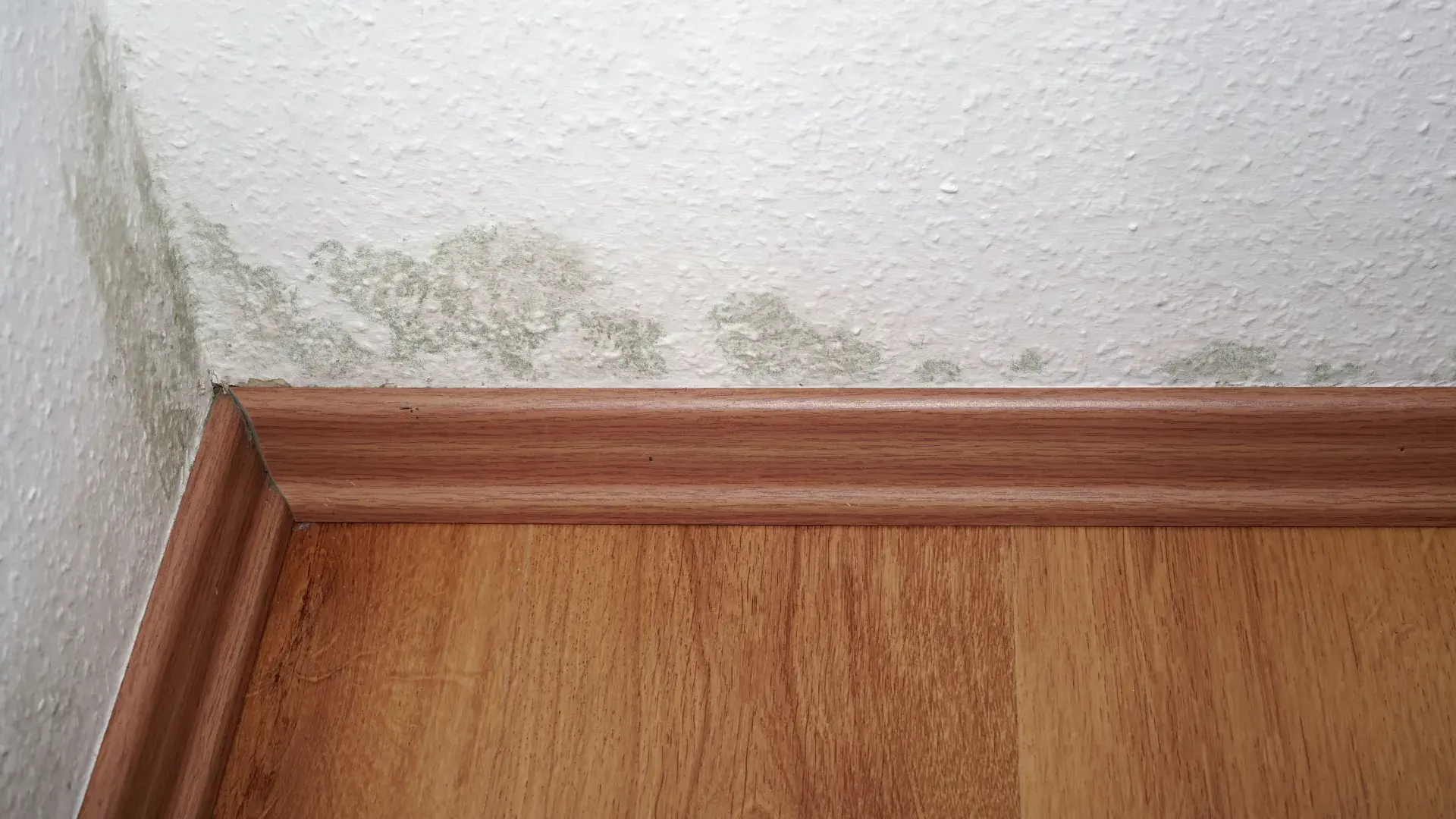
Why Proper Mould Treatment Matters
Long-Term Results: Mould can bleed through paint, causing stains to reappear. Treating the mould first ensures a smooth, long-lasting finish on your walls.
Health & Safety: Mould spores in the air can trigger allergic reactions and breathing problems. NSW Health says people with asthma, allergies or other breathing conditions may be more sensitive. Treating the mould helps keep your home safe for everyone.
Protecting Your Property: Left untreated, mould can damage surfaces and weaken structures, such as timber and drywall. Addressing it early can prevent costly repairs and ensure your property remains in good condition.
How Mould Forms and Why It Needs Treatment
Mould thrives in damp, poorly ventilated areas. Common spots for mould growth in Australian homes include bathrooms, kitchens, and basements, as these areas tend to trap moisture. However, even seemingly dry areas, such as walls near windows or behind furniture, can harbour hidden mould.
If mould is left unchecked, the damp behind it keeps damaging the surface and the material underneath, and it can affect the health of people who are sensitive to it. To properly treat mould, it’s crucial to address the moisture problem at its source—whether it’s due to leaks, condensation, or poor airflow. Simply applying paint over mould won’t work in the long run. Without proper treatment, mould will continue to grow beneath the surface, and the problem will eventually resurface. A comprehensive mould treatment ensures the issue is fully resolved, providing lasting results.
Taking Steps to Prevent Mould Growth
Once the mould has been treated, it’s important to prevent it from returning. Improving ventilation and reducing excess moisture in your home are key factors in stopping mould growth. This can be done by installing exhaust fans, using dehumidifiers, and ensuring there are no leaks in your property. You may also want to consider maintaining proper insulation and sealing windows and doors to reduce moisture accumulation.
Conclusion
Mould repair is more than just fixing a visual issue; it’s about creating a healthier, safer living space. Whether it’s causing health concerns or damaging your property, addressing the root cause of the mould problem is essential. Taking the time to properly repair mould now can save you from bigger problems in the future.
For more information on how to address mould issues in your home, contact us today. We can guide you through the best steps to take for a healthier, property clear of mould.
Sources: NSW Health: mould fact sheet