How Long Does Interior Painting Take? A Guide for Sydney Homes
Most interior repaints take longer than people expect, and nearly all of that extra time goes into preparation and drying, not rolling paint onto walls. A single room can often be finished in a day or two, while a whole house usually runs over several days to a couple of weeks, depending on its size, the condition of the surfaces, how many colours are involved and whether you are living there during the work. Here is what drives the timeline, and what you can do to keep it on track.
What actually takes the time
People picture painting as the rolling. On a typical interior job, the rolling is the quick part. Most of the time goes into these stages:
- Preparation. Filling holes and cracks, sanding patches smooth, washing marks off kitchen and hallway walls, and fixing peeling areas. Filler has to dry before it can be sanded and spot-primed, so prep often runs across more than one visit to a room.
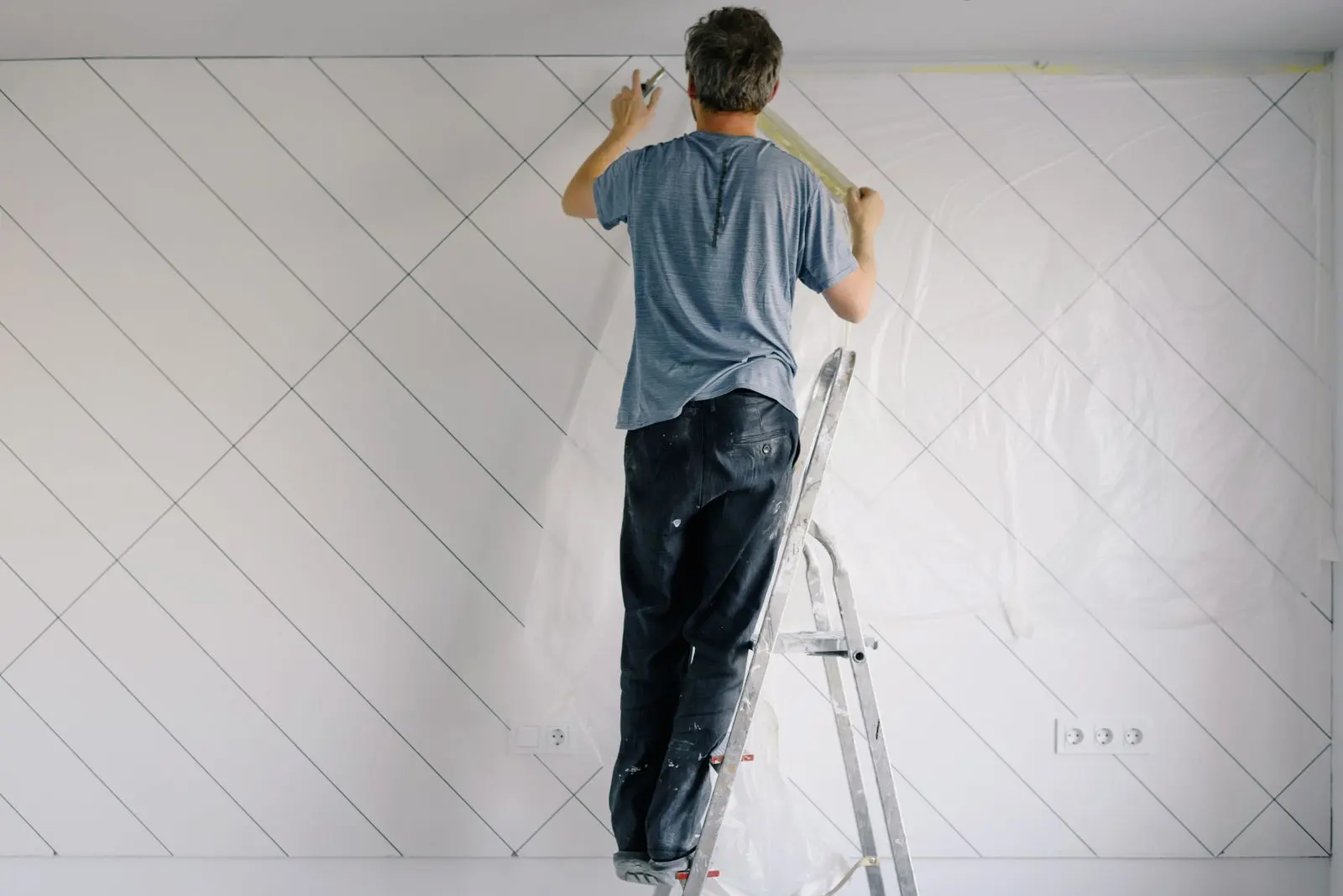
- Protection. Covering floors, moving and wrapping furniture, and masking edges, switches and fittings so the finish lines stay crisp.
- Primer and undercoat. Bare plaster, patched areas, stains and big colour changes need a primer or sealer (a first coat that helps the top coat bond and cover evenly) before the finish coats go on.
- Drying between coats. Most rooms need two top coats. Every paint has a minimum recoat time on its data sheet, and cool, damp Sydney winter days can stretch it.
- Ceilings, doors and trims. Skirting boards, architraves (the timber frames around doors and windows) and doors are slower, detailed brushwork, and usually take a different paint from the walls.
What changes the timeline for your home
No two homes are the same, which is why we confirm timing on the site walk rather than guessing over the phone. The biggest factors are:
- Size and layout. High ceilings, stairwells and voids need ladders or a platform, and take longer to set up safely.
- Surface condition. Walls with plenty of cracks, old picture-hook holes, water stains or flaking paint need more work before any colour goes on.
- Colour changes. Going from a dark colour to a light one, or covering a strong feature wall, can need an extra coat to hide what is underneath.
- Number of colours and finishes. Separate colours for walls, ceilings and trims, or a tougher sheen in wet areas, add cutting-in and changeover time. Our paint sheen guide explains which finish suits each room.
- Whether the home is occupied. An empty house is quicker to paint than one with a family, pets and furniture to work around, because rooms can be done in bigger batches.
- Weather. Humidity and cold slow drying indoors too, especially in rooms with little airflow.
- Mould or moisture. Bathrooms, laundries and shaded rooms with mould need treatment and time to dry out before painting. Our article on why bathroom mould comes back after painting explains why that step matters.
How to get your home ready
A little preparation on your side lets the painters get straight into the work. Before the start date:
- Lock in your colours. Changing your mind mid-job is one of the most common causes of delays. If colour consultancy is part of your approved quote, settle your colours at that stage, before work begins.
- Clear small items. Pack away ornaments, photos, books and anything fragile, and take pictures, mirrors and curtains down from the walls being painted.
- Move what you can. Shift smaller furniture out of the room, or into the middle, so there is clear space along the walls. Ask which larger pieces the painters will move and cover.
- Empty built-ins that are being painted. Wardrobes, linen cupboards and shelves need to be cleared inside.
- Agree the order of rooms. For example, bedrooms first and living areas while you are at work, so the household always has somewhere to sleep and cook.
- Sort pets and access. Keep pets away from wet paint and open tins, and arrange keys, parking and alarm codes ahead of time.
- Mention known problems. Tell us about leaks, cracks that keep coming back or areas you are worried about, so they are allowed for in the plan.
Living at home while you paint
Most households stay home during an interior repaint. Working room by room keeps disruption down, and low-VOC paints (paints with lower levels of volatile organic compounds, the solvents behind that strong paint smell) make it easier to keep living in the house. Keep windows open where you can, and keep young children and pets out of rooms that are being painted.
Paint feels dry to the touch quite quickly, but it takes longer to fully harden, or cure. Until then it marks more easily, so go gently with cleaning, hanging pictures and pushing furniture back against the walls. The right waiting time depends on the product, so check the product’s data sheet or ask us.
Older homes: lead paint and asbestos
Preparation is where older homes need extra care. According to NSW LeadSmart, lead paint was used in most homes built in Australia before 1970. Disturbing it creates harmful dust, so LeadSmart recommends wet sanding and wet scraping, no open-flame torches, keeping pregnant and breastfeeding women and young children away from the work, and hiring a professional trained in safe lead paint work. Our guide to lead paint in older homes goes into more detail.
SafeWork NSW warns that a home built before the late 1980s may contain asbestos, including in wall sheeting, ceilings, kitchens and bathrooms. Never sand, drill or water-blast sheeting you are unsure about. Have it checked by a licensed asbestos professional before any preparation starts.
How we plan an interior repaint
Every interior painting job starts with a site walk. We look at the surfaces, talk through which rooms you need to keep using, and work out an order that suits the household. You then get a written, itemised quote that sets out the scope, so you know exactly what is included before anything starts. We use low-VOC paints throughout.
Ready for a written quote?
Call 0423 533 883, or tell us about the job and we will reply within one business day. We give a written, itemised quote after a site walk, and our work comes with a five-year workmanship guarantee.
Sources: NSW LeadSmart, Renovating and maintenance · SafeWork NSW, Asbestos
frequently asked questions
How long does it take to paint one room?
A standard bedroom with walls, ceiling and trims often takes a day or two once you allow for preparation and drying between coats. Rooms with a lot of patching, a big colour change or high ceilings take longer. We will confirm the timing for your rooms on the site walk.
Can I stay at home while the inside is being painted?
Usually, yes. Working room by room with low-VOC paints lets most households stay at home. Plan where you will sleep and cook at each stage, keep windows open, and keep young children and pets out of the rooms being painted.
How soon can I put furniture back after painting?
Once the final coat is dry to the touch you can usually bring furniture back into the room, but keep it slightly away from the walls, and hold off on hanging pictures or scrubbing marks until the paint has cured. Curing time depends on the product, so check its data sheet or ask your painter.
get a quote
tell us about the job.
Two minutes now, a proper answer within one business day — from a person, not a call centre.
- 1we come back to youwithin one business day, with the questions a quote needs
- 2site walkwe measure, check the surfaces and test the existing paint
- 3written, itemised quoteroom by room, product by name — the price on the quote is the price on the invoice